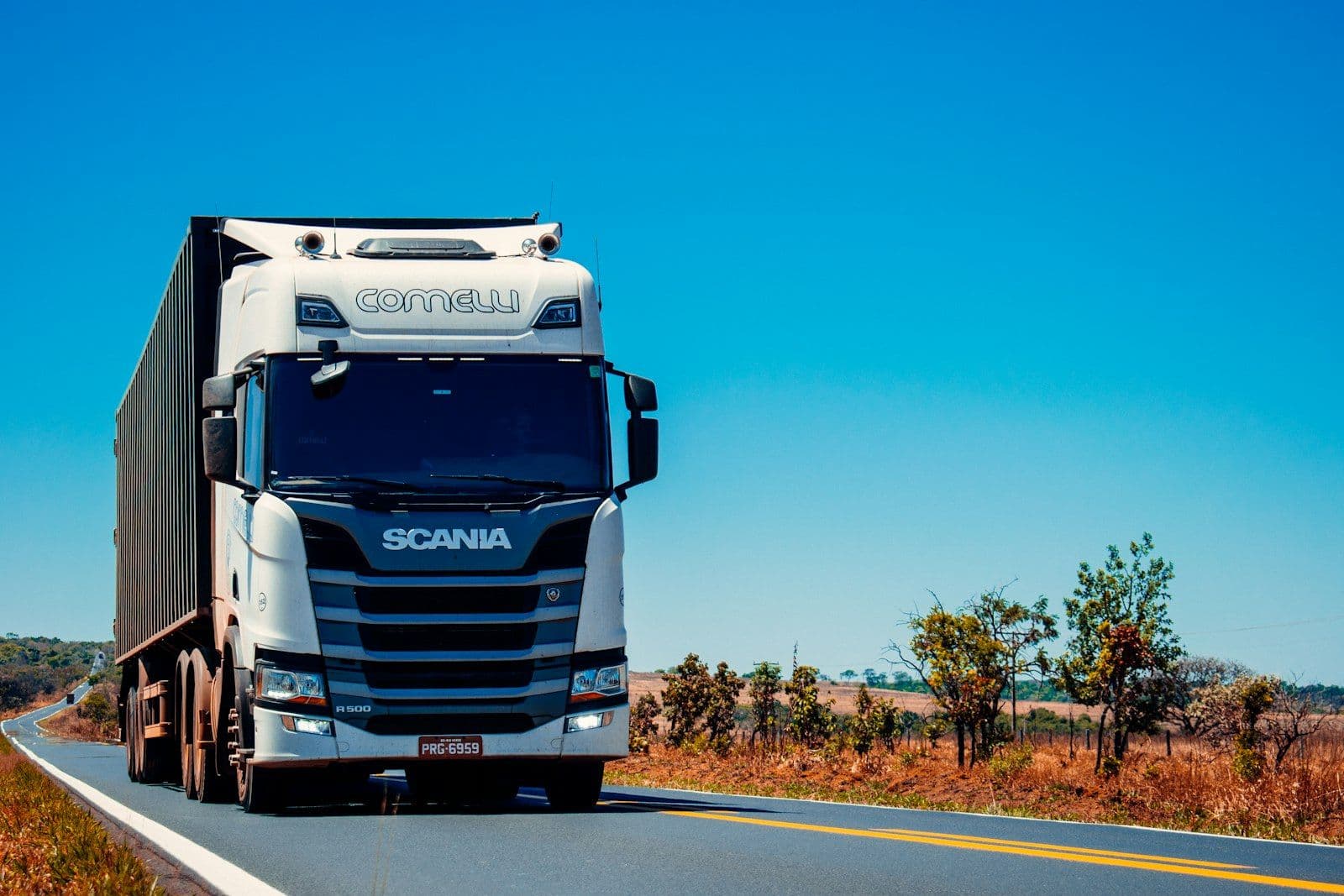
The short answer
In truck financing the vehicle itself is the collateral and payments are structured around the revenue the truck can earn. Terms commonly run about three to six years depending on the truck's age and condition.
Key takeaways
- New and used tractors, trailers, box trucks, refrigeration units and upfitting can be financed.
- Newer trucks typically get longer terms and lower rates; older, high-mileage trucks may need shorter terms and larger down payments.
- New authority operators should bring a CDL, a clean driving record, insurance quotes and any signed freight contracts.
- Build a cost-per-mile figure and compare quotes from more than one lender.
Trucks are the business
For an owner-operator or a growing fleet, a truck is both the main asset and the main source of income. A new tractor can cost well over a hundred thousand dollars, trailers and refrigeration units add more, and downtime from a breakdown stops revenue immediately.
Commercial truck financing is built around this reality: the vehicle itself is the collateral, and payments are structured around the revenue the truck can earn.
What can be financed
- New and used semi tractors and straight trucks.
- Dry van, flatbed, reefer and specialized trailers.
- Box trucks, dump trucks and service vehicles.
- Refrigeration units, liftgates and upfitting.
- Engine and major repair work, with some lenders.
Newer trucks typically get longer terms and lower rates. Older, higher-mileage trucks may still be financeable with shorter terms and larger down payments.
Typical terms, and what affects them
Terms commonly range from about three to six years, depending on the age and condition of the truck. A down payment is often part of the deal; the amount depends on the lender, the asset and the borrower's profile. Factors that shape the offer include:
- The truck's age, mileage and make.
- Your time in the trucking business and driving experience.
- Personal and business credit.
- Cash flow, contracts and the consistency of your loads.
- Whether you are buying from a dealer or a private seller.
New authority operators with limited history may face higher costs or larger down payments, which is normal for the industry.
Owner-operators and new authority
If you are just starting, preparing the right documents makes a big difference: your commercial driver's license, a clean driving record, proof of your operating authority, insurance quotes, and any signed contracts or letters of intent with brokers or shippers. A larger down payment and a reserve for early operating costs strengthen the application.
Financing, lease-purchase and rent-to-own
A traditional equipment loan builds ownership with each payment. Lease-purchase and rent-to-own programs, often offered by carriers, can lower the barrier to entry but may cost more overall and can limit your freedom to choose loads. Read the contract closely, in particular the buyout, maintenance responsibilities and what happens if you leave.
Working capital for a trucking business
Fuel, insurance, maintenance and driver pay are due long before many shippers pay. Slow-paying freight brokers can create a significant gap. Options to cover the gap include a business line of credit, invoice financing or factoring against freight invoices, and a short-term working capital loan. Keep a reserve for repairs, because an unplanned repair bill is one of the most common triggers for emergency borrowing.
Planning and tax points
- Build a cost-per-mile figure including payment, insurance, fuel, maintenance and tires, and confirm the truck earns more than it costs.
- Compare quotes from more than one lender; terms vary widely.
- Ask your accountant about depreciation and Section 179 treatment for vehicles, since limits and eligibility rules differ by vehicle type and weight.
lendfloCapital matches trucking businesses with equipment financing and working capital through one short application, with no cost to apply and a soft credit pull for the initial review.
lendfloCapital
Ready to put this knowledge to work?
Tell us about your business and a lendfloCapital advisor will review your options and walk you through what fits.
Frequently asked questions
How long are truck financing terms?
Terms commonly range from about three to six years, depending on the age and condition of the truck. A down payment is often part of the deal.
Can a new owner-operator get truck financing?
Yes, though operators with limited history may face higher costs or larger down payments. A CDL, clean driving record, proof of operating authority, insurance quotes and signed contracts or letters of intent help.
What working capital options do trucking businesses use?
A business line of credit, invoice financing or factoring against freight invoices, and short-term working capital loans, plus a reserve for repairs.